
Schedule a Consultation
Low Flat Fees. Flexible Payment Plans.
Stop Struggling. Get Relief Now!

Let me help you get the fresh financial start that you deserve.
If you find yourself in a situation where your debts are overwhelming, and you have no clear path to paying them, bankruptcy might be an option.
Financial problems are one of the largest sources of stress in Jefferson County. Despite working hard, a lot of people can’t keep up and find themselves unable to pay their bills. This starts a vicious cycle of enormous stress which can impact their health and even their relationships.
After juggling financial debt for so long, you may find yourself mentally and emotionally exhausted, and uncertain how to move forward. Filing for bankruptcy isn’t the right decision for everyone, but if you’re worried about debt, want to protect specific property, or see no other way forward, it can be the best option to bring relief.
As experienced Lakewood bankruptcy attorneys, we recommend you make an effort to educate yourself on bankruptcy and take reasonable steps to reduce debt before beginning the filing process. To that end, we’ve designed this website to provide a basic overview of bankruptcy and how it might be the right course of action for you.
If you would like more specific information about the unique circumstances regarding your debt, please contact our firm. Our dedicated team of Jefferson County bankruptcy attorneys offers a no-cost case consultation. You can receive answers to your questions and specific advice on your best options during a discussion with one of our bankruptcy specialists.
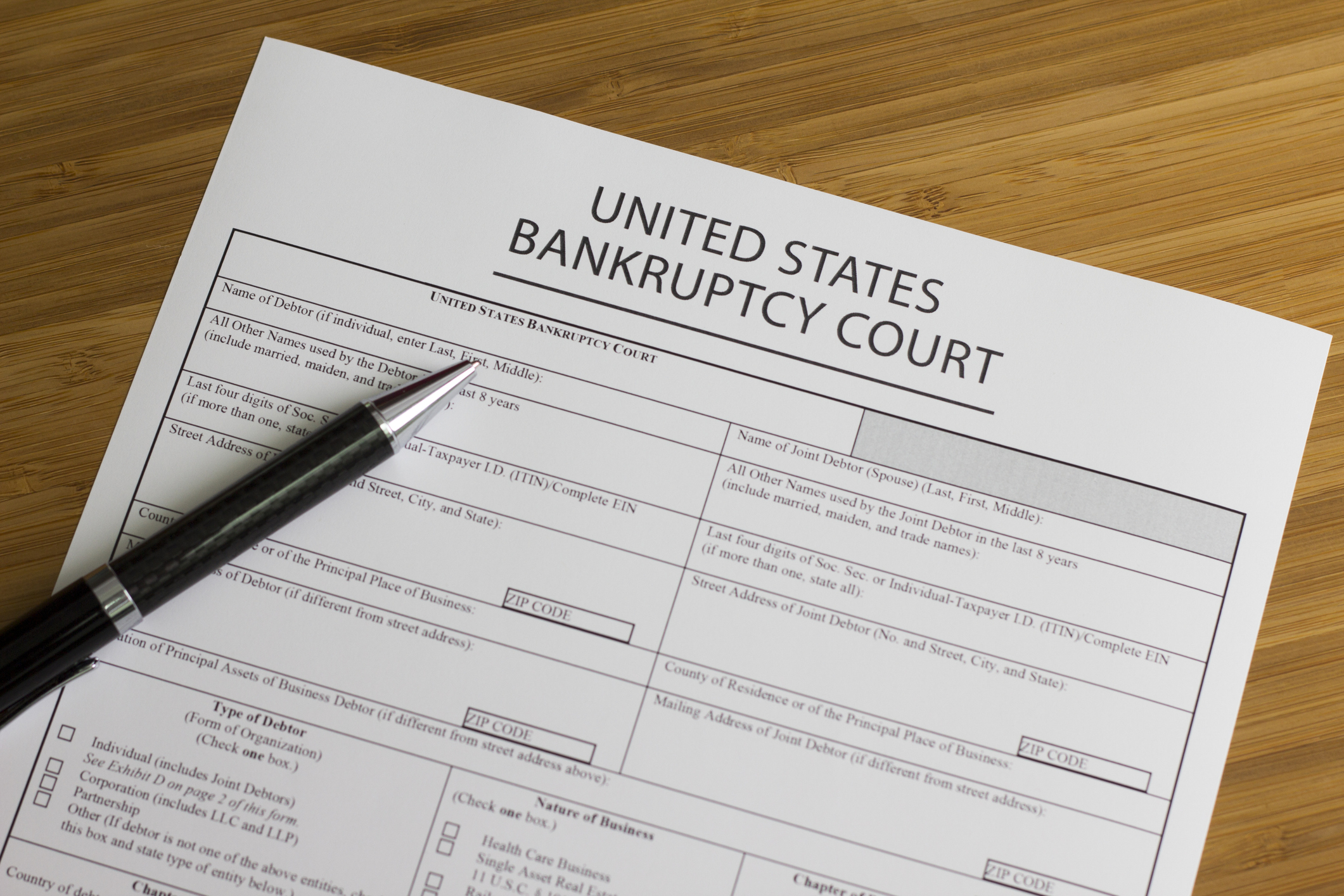
If you’ve found this website, you’ve probably already decided you need help with your debt. However, if you’re still unsure, we urge you to see if you relate to any of the following signs of financial trouble-
● Using one credit card or credit line to pay off another
● Turning to payday loans
● Borrowing from 401k or retirement
● Constantly fighting with your spouse or partner about money
● Skipping payments on some bills to pay others
● Minimum credit card payment is too high
● Asking your friends or family for loans
● Debt collectors calling at home or work
● Having your telephone, electricity, or other utilities cut off
● Fallen behind on home, car, or credit card Payments
● No money left by payday
● You don’t know how much debt you have
If any of the above relates to your situation, we urge you to reach out to our Lakewood bankruptcy attorneys as soon as possible. The sooner you recognize the warning signs, the faster you get the help you need, and the more options you will have available to solve your debt and prevent more serious problems.

Filing bankruptcy in Lakewood is available to a debtor under the U.S. Bankruptcy Code. Most personal filings are made under provisions known as Chapter 7 or Chapter 13. Keep reading to find out which option might fit your situation.
Chapter 7 Bankruptcy, also commonly known as “liquidation bankruptcy,” is the most common type of bankruptcy for those who have a large amount of debt and few assets.

A Chapter 7 bankruptcy is designed to give you a fresh financial start by wiping out all of your unsecured debts such as medical bills, credit cards, payday loans, personal loans, and lawsuit judgments.
Once you file for Chapter 7 bankruptcy, you will be assigned a court-appointed trustee. In exchange for relieving you of all personal liability, you will need to turn over non-exempt property to the trustee. The trustee will then sell or liquidate these assets and distribute the proceeds among your creditors.
You are allowed to keep your secured debt including your home and car as long as you reaffirm the debt and agree to continue making the payments. An experienced Colorado Chapter 7 bankruptcy attorney can help you figure out which of your possessions qualify for an exemption. In many situations, you will be able to retain ownership of a majority of your assets due to Colorado’s generous exemption laws.
Chapter 13 Bankruptcy, also commonly referred to as a “wage-earners plan,” or “reorganization bankruptcy,” was designed for individuals who can afford to repay some of their debts, but need help restructuring their debts into an affordable plan.
Every day, hardworking Coloradans do their best to make ends meet. When financial hardship strikes, be it job loss, demotion, illness, divorce, or other life circumstances, we know that it can be a devastating blow to a person’s overall welfare.
Dealing with the crushing burden of overwhelming debt can feel paralyzing and insurmountable. With mounting bills and non-stop calls from predatory lenders, it can feel as if everything is spinning out of control. You may be facing the threat of foreclosure, wage garnishment, car repossession, or utility disconnection. Living in constant fear that the worst is yet to come quickly becomes unbearable.
If you have reached the point where your debt has become unmanageable, you may be interested in learning about your options for debt relief. Our Colorado bankruptcy attorneys have compiled a list of the questions they are most frequently asked about bankruptcy during consultations and answered them here.
You must meet the income criteria, via something called a Means Test to qualify for a Chapter 7 discharge. If you earn too much income or need to protect non-exempt assets, you can file for Chapter 13 relief. An experienced Lakewood bankruptcy attorney can help you assess your situation and decide which debt relief route to take.
The means test is a formula used by the U.S. Bankruptcy Courts to determine if a petitioner is eligible to file for Chapter 7 bankruptcy.
The means test has two steps-
1. Is your current monthly income less than the median income in Colorado?
If your current monthly income is less than the median for a household of your size in your state, you pass. You're done and don't need to complete the rest of the means test. You can file for Chapter 7. If your income is more than the median income in Colorado, you then proceed to step 2 to see if you qualify for Chapter 7 bankruptcy. This step is a little more complicated, and having an experienced Colorado Chapter 7 bankruptcy attorney will help you immensely with this process.
2. Do you have enough income remaining after paying your allowed monthly expenses or "disposable income" to pay off at least a portion of your unsecured debts?
For this step, you’ll have to gather documentation about your expenses. Things such as rent, groceries, clothing, and medical costs make up what is called “allowable expenses.” What’s left after allowable expenses are deemed disposable income that could be put toward paying off debt.
Bankruptcy exemptions level the playing field so that getting a fresh start doesn’t require you to start from scratch. Although bankruptcy is handled by the federal court, each state has its own list of exemptions, so if you have previously filed for bankruptcy in Georgia and need to file again in Colorado, you may want to secure the services of an experienced Jefferson County bankruptcy attorney to help you figure out what possessions you own qualify for an exemption. Some examples of Colorado state bankruptcy exemptions include:
Up to $7,500 for a motor vehicle exemption.
Up to $50,000 for livestock and tools
Up to $3,000 in household goods including furniture
Up to $2,500 in jewelry
All health aids and medical equipment are 100% exemptions
If you’ve been researching bankruptcy and debt relief, then you’ll have seen the terms unsecured and secured debt sprinkled liberally throughout the information you’ve been reading. The difference between them is very important and will help you to understand what kinds of debt can be erased when filing for bankruptcy in Colorado.
Secured Debt is when the creditor or lender takes a “security interest” in the form of collateral. Collateral is property that you pledge to give the creditor if you fail to pay the money you owe them. An example of secure debt would be a home mortgage. When you take on a mortgage you are promising the lender that you will make all payments on time, and if you can’t then they can repossess your house. Thus, you’re using your house as collateral for the loan.
Unsecured Debt is when the creditor or lender does not take collateral when extending you the loan or line of credit. This means that if you default on those debt payments, then the lender has no property to seize to recoup its losses. Examples of unsecured debt include medical bills, student loans, and credit cards.
On the day that your bankruptcy petition is filed with the U.S. Bankruptcy Court, all creditors are subject to an automatic stay. All legal actions and attempts at debt collection must be halted, including foreclosure, repossession, wage garnishment, and lawsuits. Creditors cannot continue to harass you or even contact you about your debts, and if they do, they will be subject to severe consequences.
If you’re tired of hearing your phone ring off the hook from debt collectors and credit companies, an automatic stay will change your life. As soon as you file for bankruptcy in Lakewood, the automatic stay injunction immediately triggers, which prevents collectors from contacting you about your debts as well as temporarily halting some debt collection processes such as
Foreclosure- An automatic stay will keep foreclosure proceedings on hold for as long as your bankruptcy case is open.
Eviction- Stays can be helpful for tenants experiencing eviction, however, the landlord can request the stay be lifted while the bankruptcy filing is still active.
Utility Disconnections- An automatic stay won’t erase what you owe in unpaid utility bills, but it can keep your utilities from getting shut off for a period of time
Wage Garnishment- A stay can protect you from having your wages garnished. If the debt that prompted your wage garnishment is wiped out in bankruptcy, filing for bankruptcy could stop the garnishment permanently.
Technically no, you can file bankruptcy with the United States Bankruptcy Court, District of Colorado “Pro se” or without legal representation. However, bankruptcy law is quite complex, and obtaining the services of a Lakewood bankruptcy attorney can maximize your debt relief, and anticipate any problems that would delay or derail your petition. Pro se petitioners often find themselves in over their heads and having their cases dismissed.
If you are ready to file for bankruptcy, either you or your Lakewood bankruptcy lawyer will need to file a two-page petition and several other forms at the Colorado District Bankruptcy Court. Located in downtown Denver between the North Capitol Hill and Five Points neighborhoods, the Colorado Bankruptcy Court serves as the court for all bankruptcy filings in the state of Colorado and is located roughly 8 miles from Lakewood.
Maybe you made the mistake of picking up the phone and trying to reason with one of the debt collectors constantly calling you for missed payments. They might have told you that filing for bankruptcy will ruin your credit forever and that you should just keep making payments.
If you take only one piece of information away from this website, let it be to never take financial advice from a debt collector.
Allowing continual negative marks to be recorded on your credit report can be worse for your credit than filing for bankruptcy. Bankruptcy is recorded as a public record on your credit report for no more than 10 years and by using credit wisely after filing bankruptcy you can quickly re-establish a good credit score shortly after filing.
Please understand that the above information is general and may or may not apply to your specific case. To discuss the particular circumstances of your debts, we suggest you contact an attorney who possesses the knowledge, skill, and experience to evaluate your financial situation. Our CO bankruptcy attorneys are standing by to discuss the details of your case with you.
Roughly eight miles to the southwest of the bustling city of Denver lies the suburb of Lakewood. Incorporated in 1969 as “Jefferson City,” the city was quickly re-named Lakewood to avoid confusion with other similarly named cities in both Colorado and Missouri.
As a suburb of Denver, Lakewood is part of both the greater Denver metropolitan area and the Front Range Urban Corridor. Because the greater Denver area enjoys a semi-arid climate, residents and visitors to Lakewood enjoy a variety of outdoor activities almost year-round. Heritage Lakewood Belmar Park is a popular destination, offering visitors the chance to explore its 15 historic buildings, more than 40,000 artifacts, gallery exhibitions, and festival area.
Another popular outdoor activity in Lakewood is the Lakewood Cider Days, a festival that takes place every fall and is the longest-running community festival, running since the mid-1970s. Today the festival includes musical performances, historic exhibits, food vendors, and of course, cider samples from around the county.
If relief from significant debt sounds apple-ing to you, we urge you to contact an experienced Jefferson County bankruptcy attorney.
Today’s economy has forced many people in Colorado to file for bankruptcy. If you have mounting credit card debt, medical bills, or loans, feel you may lose your car or home, or have lost your job and can’t meet your monthly expenses, we can help you file for debt relief.
If you’re still unsure about your situation, seeking out further education on the consequences and benefits of bankruptcy can be helpful. Listed below are some helpful links to provide you with more information.
If you are completely overwhelmed by debt, filing for bankruptcy can erase some of what you owe and give you a fresh start. Our team of knowledgeable Lakewood bankruptcy attorneys is available to answer any questions you may have, and help you get on the path to financial stability. Contact our firm today for a free case consultation.